The single shaft Solex 40 PII were first used by Porsche in the 1955 1500cc
Carrera engines installed in the 356. The 40 PII-4, came with the first Super
90 engines in late 1959.
Split Shaft vs Single Shaft
As the name implies, the original Solex 40 PII-4 had one single solid shaft,
in each carburetor holding the two butterflies. To address stricter emission
control regulations that came into effect during the late 1960's, the split
shaft solex was designed. It has a better transition from idle to main jet
operation due mostly to the 2 additional by pass ports in the throat; as well
as having a separate idling circuit.
As the name implies, the split shaft consists of two independent shafts, each
controlling a single butterfly, in each carburetor. Infinite tune ability was the
idea at the time.
Split Shaft Weak Point
The split shaft Solex’s two independent shafts are controlled by a central
mechanical device made of pot metal, which, when working according to
design, synchronized the butterflies so the airflow is equal in each throat.
When these carbs were new, this device worked well. Now, being nearly
50 years old, these devices are broken, worn, have rusty screws, and the
plastic block degrades so ultimately, there is little butterfly control. This
mechanical device also added to the complexity of the carburetors, making
them difficult to rebuild and maintain, plus requiring
a certain skill level to tune that many owner/operators
haven’t acquired
An alternative
Carrera engines installed in the 356. The 40 PII-4, came with the first Super
90 engines in late 1959.
Split Shaft vs Single Shaft
As the name implies, the original Solex 40 PII-4 had one single solid shaft,
in each carburetor holding the two butterflies. To address stricter emission
control regulations that came into effect during the late 1960's, the split
shaft solex was designed. It has a better transition from idle to main jet
operation due mostly to the 2 additional by pass ports in the throat; as well
as having a separate idling circuit.
As the name implies, the split shaft consists of two independent shafts, each
controlling a single butterfly, in each carburetor. Infinite tune ability was the
idea at the time.
Split Shaft Weak Point
The split shaft Solex’s two independent shafts are controlled by a central
mechanical device made of pot metal, which, when working according to
design, synchronized the butterflies so the airflow is equal in each throat.
When these carbs were new, this device worked well. Now, being nearly
50 years old, these devices are broken, worn, have rusty screws, and the
plastic block degrades so ultimately, there is little butterfly control. This
mechanical device also added to the complexity of the carburetors, making
them difficult to rebuild and maintain, plus requiring
a certain skill level to tune that many owner/operators
haven’t acquired
An alternative


Solex Split Shaft Conversion


| 356 Carburetor Rescue, 285 Morgan Road, Sedona, Arizona 86336 Call Jim or Candace at 928 204-0507 for pricing information on our products and services Call John at 619 224-3566 for technical information or installation help on the carburetors If you have problems with this website, contact Candace at cdelaney@356carburetorrescue.com or call 928 204-0507 Thank you for your interest in our products |
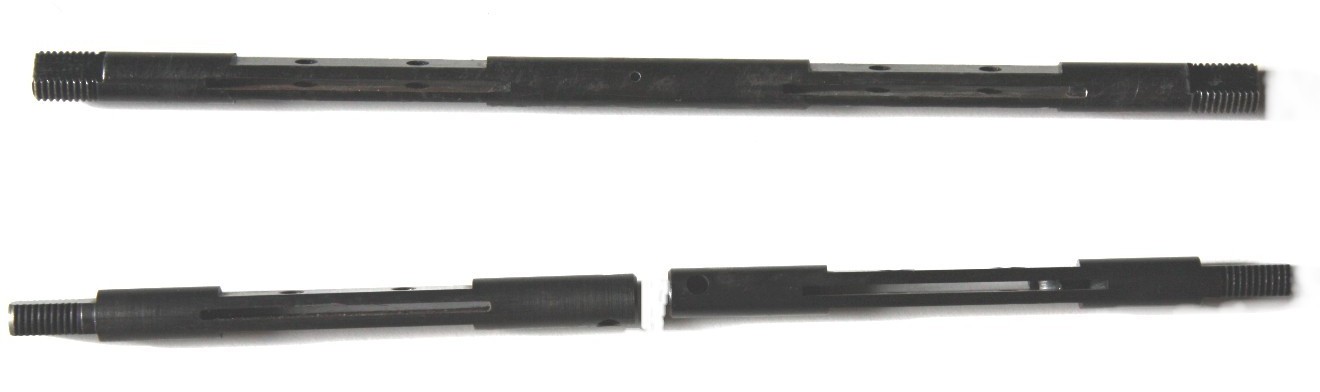
We found a way to convert the split shaft to a single shaft
eliminating the troublesome mechanical connection. In our modified version,
the custom made chrome-moly steel shaft is supported by four bearing
bronze bushings (originals were brass). Now you can have all the
advantages of the split shaft Solex; extra power and smoother transition, with
the relative ease of adjustment that single shaft Solex are known for. In
addition to new shafts, bushings and butterflies, these conversion carburetors
include 8 newly manufactured accelerator pump parts to provide reliable
smooth carburetors..
This conversion carburetor restoration has become so popular that we are no
longer doing split shaft restorations as split shafts.
eliminating the troublesome mechanical connection. In our modified version,
the custom made chrome-moly steel shaft is supported by four bearing
bronze bushings (originals were brass). Now you can have all the
advantages of the split shaft Solex; extra power and smoother transition, with
the relative ease of adjustment that single shaft Solex are known for. In
addition to new shafts, bushings and butterflies, these conversion carburetors
include 8 newly manufactured accelerator pump parts to provide reliable
smooth carburetors..
This conversion carburetor restoration has become so popular that we are no
longer doing split shaft restorations as split shafts.
Original split shaft
connecting linkage
connecting linkage


The alternative
"coversion"
"coversion"